

Ingredient Spotlight # 2: Sambal
The Condiment that will put your relationship with Sriracha in jeopardy...
Spicy foods and hot sauces have a spot perpetually reserved in my heart. There’s something about that kick or that tingly sensation in the back of your head and ears that just makes you feel invigorated. It burns but at the same time draws you in for another bite, and another one..
If you go to your local market you will probably find aisles filled with different variations of hot sauces — Louisiana style, picante, Caribbean, Harissa , Piri-Piri, Sriracha, chili garlic and many more. There a hundreds of different sauces available to the point that it becomes rather dauting picking which ones to try or use.
One of the most popular as of the last couple of years is Sriracha. Made from Chili peppers, sugar, garlic, and vinegar.
It’s a variation of the original Thai sauce named after the city of Si Racha. It tends to be sweeter, not as spicy and a bit thinner that the Green Cap Huy Fong you probably have encountered.

But today I want to introduce you to my personal favorite condiment, Sambal, an Indonesian staple that has taken over my pantry due to it’s simplicity and incredible flavor. It’s versatility never ceases to impress me, and I’m still being delightfully surprised by new pairings.
What is sambal?
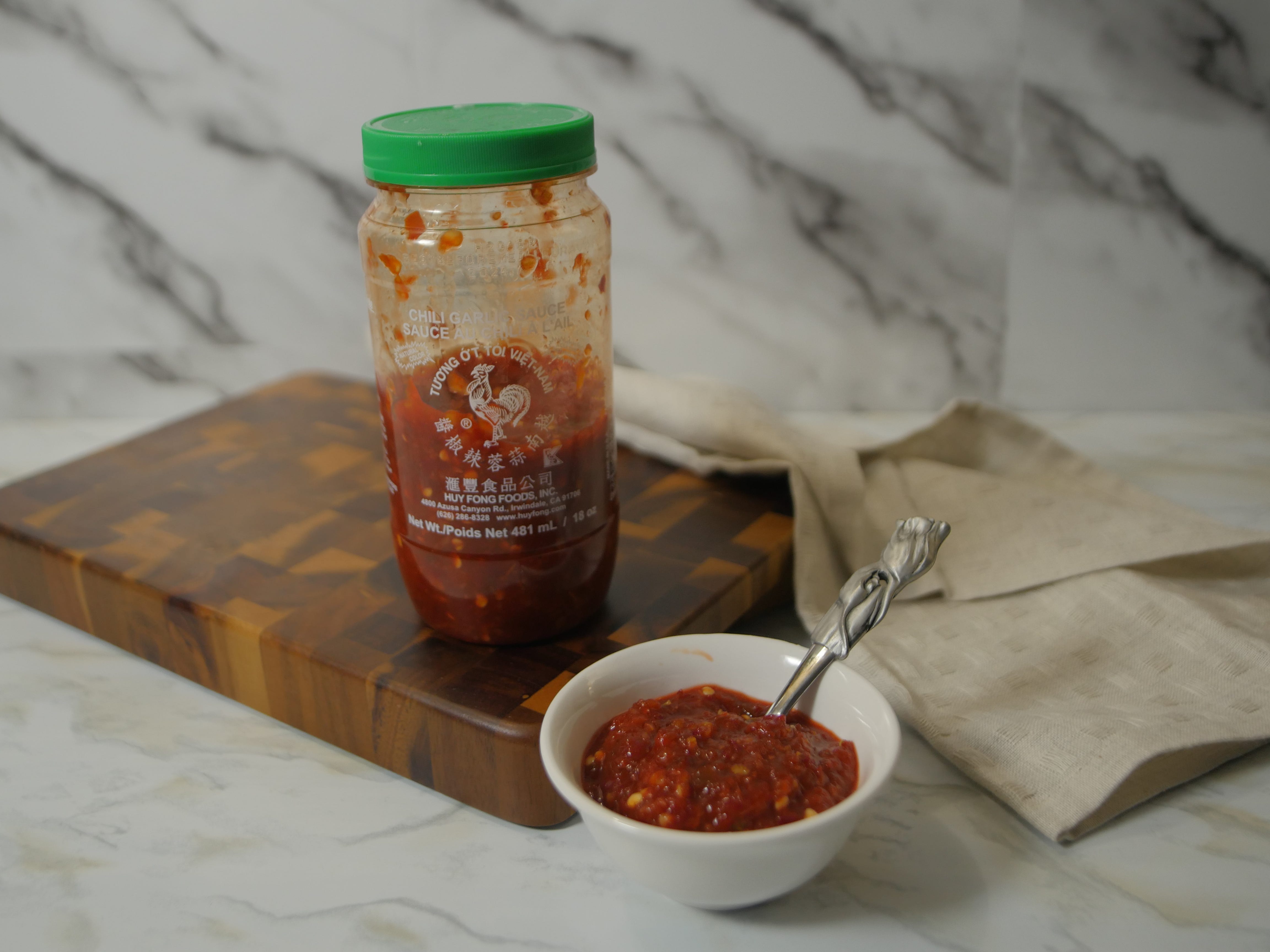
Sambal is an aromatic condiment made by crushing fresh red hot chiles into a paste using a mortar and pestle ( Ulek). The word Sambal comes from the word ‘sambel’, defined as a “paste” or “relish”. It can be prepared with red or green chiles ground together with different ingredients such as: lemongrass, garlic, tomatoes, galangal, etc.
There are more than 200 variations of sambal, each unique to regions and areas. Malaysia also has a version of sambal that is used a base for plenty of their dishes.
The version of sambal I want to delve into a bit more today is Sambal Oelek.
If you want to try make it at home the simplest version might be the best way to go and a good starting point for this wonderful condiment.
1 Pound of hot red chiles ( jalapeno, serrano, fresno )
2 Tablespoons of vinegar ( i prefer using rice vinegar)
1 Tablespoon kosher salt
Grind in a mortar and pestle or use a food processor.
From this point you can experiment with adding other aromatics or ingredients to grant you new flavor profiles.
Some of the most common ingredients to add are:
shallots
ginger
garlic
galangal
palm sugar (make sure you use the brown disc one)
shrimp paste
tomatoes
lemongrass
coconut oil
lime juice.
Allow yourself to experiment with the quantities and ratios.
The other way you can have access to sambal is to buy already made sambal. Huy Fong is probably the brand you will see in your local shop the most.
How do we use sambal ?
The way I think of sambal is not as a hot sauce, but an all purpose condiment used to introduce heat and flavor. It can be heated or used cold, so we have a nice level of control in how do we want to utilize the sauce.
Given that we are talking about a spicy condiment, you should keep an eye to flavor synergies. The heat coming from the sauce covers the spicy side, but you don’t want to create a one-dimensional dish; you want layered flavor profiles to balance each other.
Consider using sweetness from sugars ( cane, honey, date syrup) or from fruits ( pineapple, mango , papaya). They are capable to not only control a bit the harsh tones of the spice but help you carry over the flavor in a more fluid manner. This way you don’t get hit immediately with a kick of hot sauce to the face but rather a heat buildup.
Fats can also soften the heat but also distribute it evenly to every bite. Coconut milk is a fantastic pairing for sambal as it turns into a creamy hot sauce that carries both sweetness and spice. Butter also works wonders when added at the very end.
Tangy ingredients such as lemon, yogurt, cream cheese go incredibly well with spices and are able to make the flavor a bit “brighter”.
There’s one ingredient in the tangy category that i would highly recommend you to introduce more to your cooking: Tamarind. Not only is wonderfully sweet it has a very distinct flavor that goes so so well with ginger, garlic, onions and, of course, sambal.
One of my favorite ways to use sambal is as a mayo base:
3 tbsp of mayonnaise ( kewpie or vegan)
juice from 1/4 lemon
1 tbsp of sambal ( adjust to taste)
pinch of salt and peper.
dash of rice vinegar
Here are some recipes to give you inspiration:
Chilled Soba Noodles - ELYSSA GOLDBERG - Bon Appetit
Curry chicken with sambal - greedygirlgourmet
Sweet potato and coconut soup with spicy sambal - Kerrie Ray - Healthyfoodguide
Try adding sambal to your:
pasta sauce - a teaspoon of it will add a nice kick to it and introduce additional flavor from the aromatics/herbs
drizzle it on pizzas as a finisher before serving
add a dollop on your stir fries
a nice drizzle on your breakfast eggs or toast
poke bowls
noodles, whether is stir fry, cold or soup it works wonderfully
wraps
ramen/ pho
add to a marinade for a nice kick
I hope that after reading this your interest in Sambal is piqued the same way that it did the first time I had the opportunity to try it over a decade ago, and still is a staple on my pantry.
Let me know how did you end up using it !
Like you, I enjoy adding hot sauce to my food, and Sambal is always a nice place to begin. Thanks for including a homemade version – I am anxious to give it a go and bring a bit of sharpness to an otherwise dull winter season.